
A comprehensive 100m sprint training program necessitates understanding network speeds—from 100M to 1000M—and optimizing hardware like routers and network cards for peak performance.
The Importance of a Structured Program
A well-defined 100m sprint training program is paramount for achieving optimal results and minimizing injury risk. Random workouts‚ like relying on a 100M network speed when a 1000M connection is available‚ yield inconsistent gains.
Structured plans periodize training‚ progressively building speed‚ strength‚ and endurance. This mirrors upgrading from a 100M to a 300M or even 500M internet plan – a clear improvement requiring compatible hardware.
Ignoring structure can lead to plateaus‚ overtraining‚ or technique flaws. Just as a 100M router limits a 500M connection‚ a poorly designed program restricts athletic potential. Consistent monitoring‚ like data analysis of network speeds‚ is crucial for adjustments and maximizing performance.

Understanding the Physiological Demands
The 100m sprint is an alactic-anaerobic power event‚ demanding maximal force production and speed. Like a network upgrade from 100M to 1000M‚ the body requires optimized systems.
It heavily relies on the phosphagen system for immediate energy‚ followed by anaerobic glycolysis. This necessitates developing both explosive power and lactic acid tolerance. Similar to ensuring a router supports higher bandwidths‚ the body needs the capacity to handle intense demands.
Neuromuscular efficiency‚ stride length‚ frequency‚ and reaction time are critical. Ignoring these‚ like using a 10M network card on a gigabit line‚ limits potential. Understanding these demands informs targeted training for optimal performance and injury prevention.

Phases of Training
Training progresses through phases—GPP‚ SPP‚ pre-competition‚ competition‚ and transition—mirroring network upgrades from 100M to faster speeds for peak results.
General Preparation Phase (GPP)
The General Preparation Phase (GPP) forms the foundational bedrock of any successful 100m sprint program. This initial phase‚ typically lasting several weeks‚ prioritizes developing a broad base of physical conditioning. Think of it like upgrading from a 100M internet connection to a more robust system – you’re building the infrastructure.
Focus shifts towards general strength‚ endurance‚ and mobility. Activities include high-volume‚ low-intensity running‚ general weightlifting (squats‚ deadlifts‚ presses)‚ and core stability work. The goal isn’t sprint-specific power yet‚ but rather establishing a resilient body capable of handling the demands of more intense training to come.
This phase also emphasizes injury prevention through comprehensive warm-up and cool-down routines. It’s about building work capacity and addressing any muscular imbalances before introducing specialized sprint drills.
Specific Preparation Phase (SPP)
The Specific Preparation Phase (SPP) bridges the gap between general conditioning and sprint-specific training. Building upon the GPP’s foundation‚ the SPP introduces exercises directly mimicking the demands of the 100m sprint. Consider it upgrading your network from a basic connection to one optimized for speed – like moving from 100M to 300M.
Training volume decreases while intensity increases. This phase incorporates more acceleration work‚ short sprints (30-60m)‚ and plyometrics. Strength training becomes more explosive‚ focusing on power development. Technical drills refine running mechanics‚ emphasizing proper form and efficiency.
The SPP aims to translate general fitness into sprint-specific strength‚ power‚ and technique‚ preparing the athlete for the rigors of competition.
Pre-Competition Phase
The Pre-Competition Phase is a crucial refinement period‚ akin to ensuring a stable 100M network connection before a critical data transfer. Training volume continues to decrease‚ while intensity reaches its peak. The focus shifts towards race-specific preparation‚ honing speed‚ power‚ and technical proficiency.
Workouts include short‚ high-intensity sprints (20-40m) with full recovery‚ block starts‚ and relay practice. Strength training maintains power levels with reduced volume. Mental preparation becomes paramount‚ visualizing successful races and managing pre-competition anxiety.
This phase aims to peak performance for the upcoming competition‚ ensuring the athlete is physically and mentally ready to excel.
Competition Phase
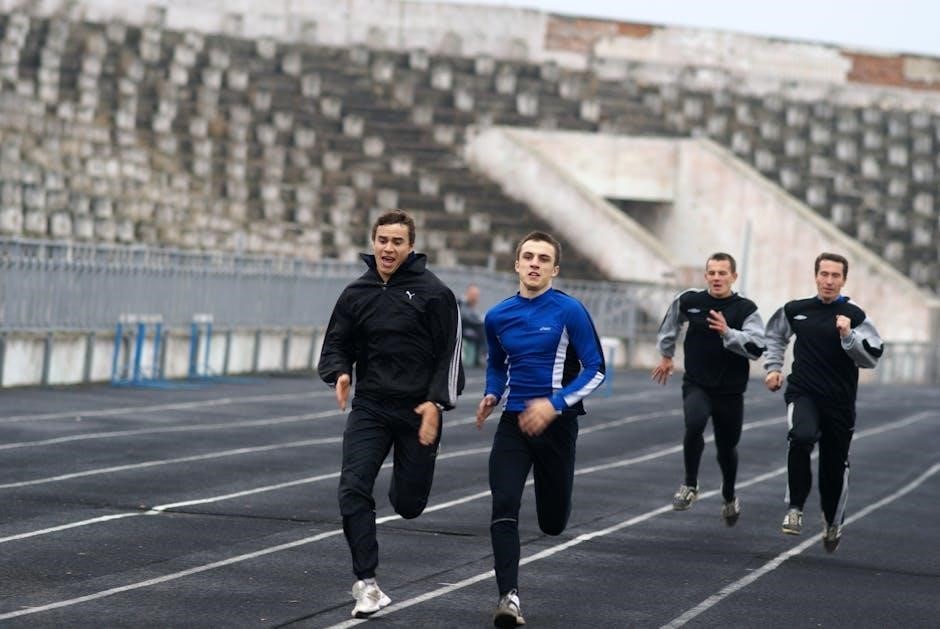
The Competition Phase is where peak performance is realized‚ much like a consistently fast 100M internet connection delivering seamless streaming. Training volume is significantly reduced to prioritize recovery and maintain sharpness. The focus is entirely on executing the race plan and achieving optimal results.
Workouts consist of short‚ explosive efforts‚ primarily focused on maintaining speed and refining technique. Active recovery‚ including light jogging and stretching‚ is crucial. Mental strategies‚ such as positive self-talk and visualization‚ are employed to enhance confidence and focus.
This phase demands careful monitoring of fatigue levels and adjustments to ensure peak performance throughout the competition schedule.
Transition Phase
The Transition Phase‚ akin to upgrading from a 100M to a 1000M internet connection‚ represents a crucial period of physical and mental recovery. Following the demands of the competition season‚ this phase prioritizes active rest and rejuvenation‚ preventing burnout and injury.
Training volume is drastically reduced‚ and intensity is minimized. Activities focus on cross-training‚ such as swimming or cycling‚ to maintain fitness without stressing the sprint-specific muscle groups.
This phase allows the athlete to address any lingering injuries and prepare for the next training cycle. It’s a time for mental disengagement from the pressures of competition‚ fostering a renewed sense of motivation.

Key Components of a 100m Sprint Program
Essential elements include acceleration‚ maximum velocity‚ speed endurance‚ and targeted strength training—much like optimizing network speeds from 100M to 1000M.
Acceleration Development
Developing explosive acceleration is paramount in the 100m sprint. This phase focuses on building the ability to generate maximum force into the ground‚ transitioning from a static start to top speed efficiently. Drills like A-skips and B-skips‚ mirroring the optimization of network connections from 100M to 1000M‚ are crucial.
These drills enhance leg drive‚ knee lift‚ and ground contact time. Short‚ explosive sprints – 10m‚ 20m‚ and 30m – with full recovery are also key. Proper technique‚ including a positive shin angle and powerful arm action‚ is emphasized. Think of it as upgrading from a 100M connection to a faster speed; technique is vital.
Progressive overload‚ gradually increasing the distance and intensity‚ is essential for continued improvement. Consistent focus on these foundational elements will lay the groundwork for a powerful and efficient acceleration phase‚ much like ensuring a stable network infrastructure.
Maximum Velocity Training
Once a solid acceleration base is established‚ the focus shifts to maximizing velocity. This phase involves drills designed to improve stride length‚ stride frequency‚ and overall running mechanics‚ akin to upgrading a network from 100M to a gigabit connection. Flying 30s‚ where athletes reach top speed before entering a timed zone‚ are highly effective.
Maintaining proper posture‚ relaxed upper body‚ and efficient arm action are crucial. Over-speed training‚ utilizing slight downhill runs or assisted towing‚ can help athletes experience velocities beyond their normal capabilities.
Monitoring timing data is essential to track progress and identify areas for improvement. Just as diagnosing a slow network requires data analysis‚ assessing sprint mechanics demands careful observation and feedback. Consistent‚ high-quality repetitions are key to achieving and sustaining maximum velocity.
Speed Endurance
Speed endurance is the ability to maintain maximum velocity over the latter stages of the 100m sprint‚ preventing the performance drop-off seen when network speeds bottleneck from 100M to 10M. This is developed through repetitions of longer sprints‚ typically 150m-300m‚ performed at a high intensity with controlled recovery periods.
These repetitions build the athlete’s tolerance to lactic acid and improve their ability to clear metabolic waste products. Interval training‚ incorporating varying distances and recovery times‚ is also beneficial.
Proper pacing and maintaining good form throughout the repetitions are vital. Monitoring heart rate and perceived exertion can help regulate intensity and prevent overtraining‚ ensuring consistent progress.
Strength Training for Sprinters
Strength training is foundational for 100m sprinters‚ mirroring the need for robust network infrastructure—upgrading from 100M to 1000M requires capable hardware. The focus isn’t solely on maximal strength‚ but rather explosive power and rate of force development.
Key exercises include squats‚ deadlifts‚ lunges‚ and plyometrics‚ building lower body strength crucial for acceleration and maintaining top speed. Core strength is equally important for stability and efficient power transfer.
Training should incorporate both heavy lifting (3-5 reps) for strength gains and lighter‚ faster movements (8-12 reps) for power development. Proper technique is paramount to prevent injuries and maximize effectiveness.
Sample Weekly Training Schedule
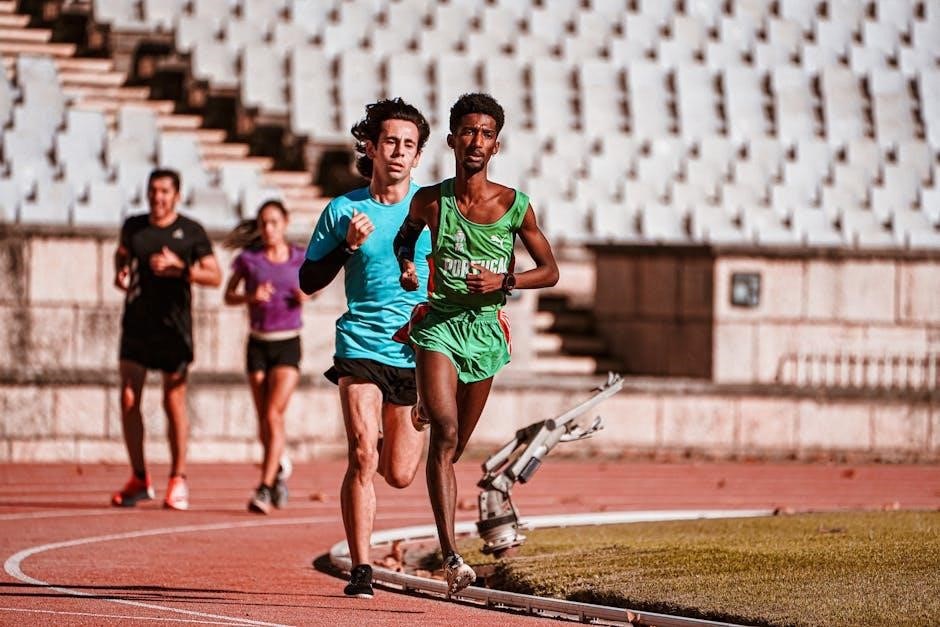
A structured schedule‚ like upgrading network speed from 100M to 1000M‚ is vital. It balances acceleration‚ velocity‚ endurance‚ strength‚ and recovery for optimal gains.
Monday: Acceleration & Plyometrics
Monday’s session focuses on building explosive power crucial for the initial phase of the 100m sprint. Begin with a thorough warm-up‚ mirroring the importance of a stable network connection – ensuring everything is primed for peak performance‚ much like upgrading from a 100M to a 1000M connection.
The core of the workout involves acceleration drills‚ such as resisted sprints with bands and sleds‚ developing the force needed to overcome inertia. Complement this with plyometrics – box jumps‚ depth jumps‚ and bounding – to enhance reactive strength. These exercises‚ similar to optimizing a router for faster speeds‚ improve the body’s ability to generate power quickly.
Finish with core stability work to maintain proper form during acceleration. Remember‚ consistent effort‚ like maintaining a reliable 1000M connection‚ yields the best results.
Tuesday: Maximum Velocity & Core
Tuesday’s training prioritizes achieving and maintaining top speed‚ akin to maximizing bandwidth from 200M to 500M. Start with dynamic stretching and mobility exercises‚ preparing the body for high-intensity work. The main component is maximum velocity work: flying 30s‚ 40s‚ and 60s with full recovery between repetitions.
Focus on proper running mechanics – high knee lift‚ powerful arm action‚ and relaxed shoulders – mirroring the need for optimized hardware to handle 1000M speeds. Following speed work‚ dedicate time to core strengthening.
Exercises like planks‚ Russian twists‚ and medicine ball throws enhance stability and power transfer. A strong core is vital‚ just as a robust network card is essential for consistent high-speed performance.
Wednesday: Recovery & Mobility
Wednesday is dedicated to active recovery‚ crucial for preventing injuries and optimizing performance – similar to troubleshooting a network connection dropping from 100M to 10M. Begin with a light jog‚ followed by dynamic stretching focusing on major muscle groups used in sprinting. Foam rolling is essential for releasing muscle tension and improving flexibility.
Incorporate mobility drills targeting hips‚ ankles‚ and thoracic spine‚ ensuring a full range of motion. This parallels upgrading network hardware to maintain consistent speeds.
Consider low-impact cross-training like swimming or cycling to promote blood flow without further stressing the muscles. Prioritize hydration and nutrition to aid recovery‚ just as a stable internet connection requires reliable infrastructure.
Thursday: Speed Endurance & Strength
Thursday combines speed endurance work with a focused strength training session‚ mirroring the need for both bandwidth (speed endurance) and a robust router (strength) for optimal network performance. Begin with speed endurance drills‚ such as 200m repeats at 80-90% effort‚ focusing on maintaining technique under fatigue.
Follow this with a strength training session targeting key muscle groups. Include exercises like squats‚ deadlifts‚ and lunges‚ prioritizing proper form over maximal weight – akin to ensuring a stable 100M to 1000M connection.
Core work is also vital for stability and power transfer. Remember adequate rest and nutrition are crucial for muscle recovery and adaptation.
Friday: Technical Work & Light Conditioning
Friday’s session centers on refining sprinting technique and incorporating light conditioning‚ much like troubleshooting a network connection to ensure optimal performance. Focus on drills that emphasize proper form‚ such as A-skips and B-skips‚ mirroring the precision needed for a stable 100M to 1000M bandwidth.
Include short‚ controlled sprints (30-60m) concentrating on acceleration and maintaining a relaxed upper body. Light conditioning‚ like jogging or dynamic stretching‚ aids recovery and prepares the body for the weekend.
This session is about quality over quantity‚ ensuring technical proficiency and preventing overtraining.
Drills and Exercises
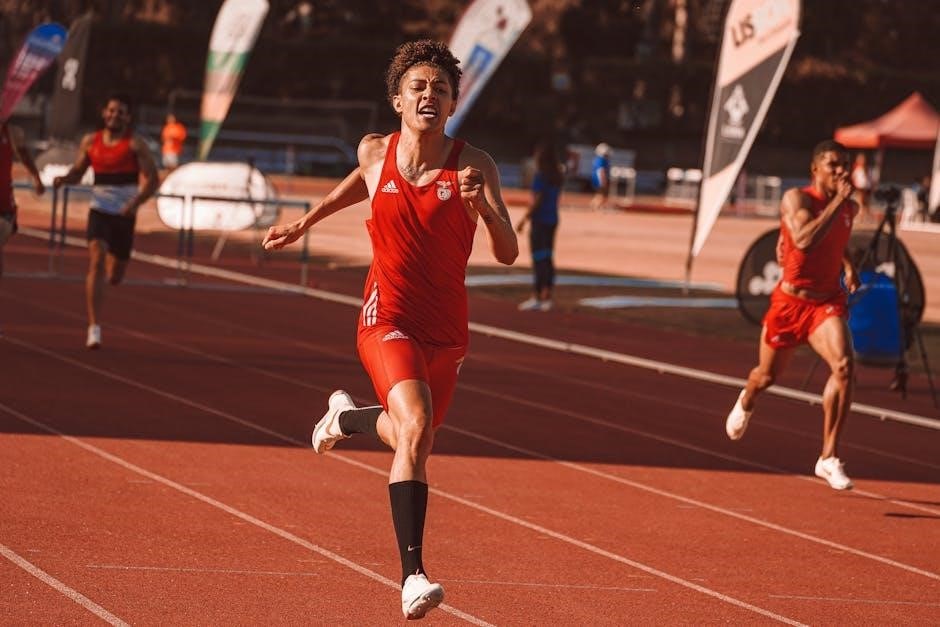
Effective drills—A-Skips‚ Flying 30s‚ Box Jumps‚ Squats—are crucial‚ akin to upgrading network hardware from 100M to 1000M for enhanced speed and power.
Acceleration Drills (A-Skips‚ B-Skips)
A-Skips and B-Skips are foundational acceleration drills‚ mirroring the importance of a robust network connection—like moving from a 100M to a Gigabit connection—for optimal performance. A-Skips emphasize high knee lift and quick ground contact‚ developing the necessary leg drive for initial acceleration. Focus on maintaining a forward lean and powerful arm action. B-Skips build upon A-Skips by adding an extension of the lower leg‚ further enhancing stride length and power.
These drills aren’t just about leg movement; they’re about coordinating the entire body. Proper execution requires core engagement and a dynamic upper body. Think of it as optimizing all components—similar to ensuring both your router and network card are capable of handling a 1000M speed—to maximize output. Consistent practice improves neuromuscular efficiency‚ translating to faster starts and improved acceleration in the 100m sprint.
Maximum Velocity Drills (Flying 30s)
Flying 30s are crucial for developing and maintaining top speed‚ akin to ensuring a stable 1000M internet connection for uninterrupted data flow; This drill involves a 20-30 meter acceleration zone followed by a timed 30-meter sprint at maximum velocity. The acceleration phase builds momentum‚ allowing the athlete to reach their peak speed before entering the timed zone.
Focus on relaxed running mechanics‚ high stride frequency‚ and powerful arm action. Maintaining proper form at top speed is paramount. Like troubleshooting a network bottleneck—identifying if the issue is the router or the network card—analyzing Flying 30s helps pinpoint areas for improvement in technique. Repeat with full recovery to avoid fatigue and maintain quality repetitions. This drill directly translates to faster times in the 100m sprint.
Plyometric Exercises (Box Jumps‚ Depth Jumps)
Plyometrics‚ like box jumps and depth jumps‚ are essential for developing explosive power – mirroring the rapid data transfer of a 1000M internet connection. Box jumps enhance leg strength and reactive ability‚ crucial for powerful acceleration. Depth jumps build upon this‚ utilizing the stretch-shortening cycle to generate even greater force.
Proper technique is vital; focus on minimizing ground contact time and maximizing jump height. Start with lower box heights and gradually increase as strength improves. These exercises improve the rate of force development‚ translating directly to faster strides and improved sprint performance. Just as upgrading a router boosts network speed‚ plyometrics upgrade the athlete’s power output.
Strength Training Exercises (Squats‚ Deadlifts)
Foundational strength is paramount in 100m sprinting‚ akin to a robust network infrastructure supporting high-speed data transfer—like a 1000M connection. Squats and deadlifts are cornerstone exercises‚ building lower body and core strength. Squats develop leg power and drive‚ essential for acceleration and maintaining speed. Deadlifts enhance posterior chain strength‚ crucial for powerful hip extension and overall stability.
Focus on proper form to prevent injury and maximize effectiveness. Progressive overload – gradually increasing weight – is key to continued gains. Strength training complements plyometrics‚ providing the necessary foundation for explosive power. A strong base‚ like a reliable network card‚ ensures optimal performance.

Injury Prevention and Recovery
Prioritize warm-ups‚ cool-downs‚ and active recovery‚ mirroring network maintenance—ensuring a stable 100M to 1000M connection—to avoid strains and optimize performance.
Warm-up and Cool-down Protocols
Dynamic stretching is crucial before sprinting‚ preparing muscles like upgrading a network card from 100M to 1000M—enhancing capacity. Include leg swings‚ arm circles‚ and torso twists‚ gradually increasing intensity. A proper warm-up elevates muscle temperature and improves flexibility‚ reducing injury risk.
Post-sprint‚ cool-downs are equally vital. Static stretching‚ holding each stretch for 30 seconds‚ aids muscle recovery‚ similar to optimizing a network connection for consistent speed. Focus on hamstrings‚ quads‚ and calves. Light jogging or walking helps remove lactic acid.
Hydration is key throughout‚ mirroring the importance of a stable internet connection. Consistent protocols‚ like regular network maintenance‚ ensure optimal performance and longevity.
Common Sprinting Injuries and Prevention
Hamstring strains are prevalent‚ akin to a network dropping from 1000M to 100M – a sudden loss of power. Prevention involves thorough warm-ups‚ dynamic stretching‚ and progressive overload in training. Proper running mechanics and adequate recovery are also essential.
Groin strains and shin splints are common‚ mirroring issues with network cabling. Strengthening exercises targeting these areas‚ alongside appropriate footwear‚ can minimize risk. Listen to your body and address pain promptly.
Ankle sprains can occur; preventative measures include proprioceptive exercises and supportive footwear. Consistent monitoring‚ like checking network speed‚ helps identify potential problems early.
Importance of Active Recovery
Active recovery is crucial‚ much like maintaining a stable 1000M network connection—consistent effort prevents drops to 100M. It involves low-intensity activities like jogging‚ swimming‚ or cycling‚ promoting blood flow and reducing muscle soreness.
Unlike complete rest‚ active recovery aids in removing metabolic waste products‚ accelerating healing. Foam rolling and dynamic stretching further enhance recovery‚ similar to optimizing network hardware for speed.
Prioritizing sleep and nutrition complements active recovery‚ ensuring the body repairs and rebuilds. Ignoring recovery can lead to overtraining and injury‚ mirroring a network crash due to overload.
Nutrition for 100m Sprinters
Optimal nutrition‚ like a fast 1000M network‚ fuels performance. Macronutrient balance—carbs‚ protein‚ fats—and hydration are key for sprint training success.
Macronutrient Requirements
For 100m sprinters‚ macronutrient intake is paramount‚ mirroring the importance of a stable network connection—whether 100M or Gigabit. Carbohydrates should constitute 55-65% of total caloric intake‚ providing the primary fuel source for explosive power and replenishing glycogen stores depleted during intense training sessions.
Protein‚ essential for muscle repair and growth‚ should account for 15-20% of daily calories. Adequate protein intake supports recovery and adaptation to training stimuli. Healthy fats‚ comprising 20-30% of calories‚ are crucial for hormone production and overall health.
Timing is also vital; consuming carbohydrates before training optimizes energy levels‚ while protein and carbohydrates post-workout facilitate recovery.
Hydration Strategies
Maintaining optimal hydration is non-negotiable for 100m sprinters‚ akin to ensuring a consistent internet speed of 100M or higher. Dehydration significantly impairs performance‚ reducing power‚ speed‚ and increasing the risk of cramping. Athletes should proactively hydrate throughout the day‚ not just during training.
Water is the primary fluid of choice‚ but electrolyte-containing beverages can be beneficial‚ especially during prolonged or intense sessions‚ to replace lost sodium and potassium.
Monitoring urine color—aiming for pale yellow—provides a simple gauge of hydration status. Avoid sugary drinks‚ as they can hinder fluid absorption and negatively impact performance.
Supplementation Considerations
While a well-balanced diet should form the foundation of a 100m sprinter’s nutrition plan‚ strategic supplementation can offer marginal gains‚ much like upgrading from a 100M to a 1000M internet connection. Creatine monohydrate is widely researched and supports power output and muscle mass.
Beta-alanine may buffer muscle acidity‚ delaying fatigue during high-intensity efforts. Vitamin D is crucial‚ particularly for athletes training indoors or in regions with limited sunlight.
However‚ supplementation should be individualized and guided by a qualified sports nutritionist‚ ensuring compliance with anti-doping regulations.

Monitoring Progress and Adjusting the Program
Regularly analyze timing system data‚ mirroring network speed tests (100M vs 1000M)‚ and athlete feedback to refine periodization and optimize training adaptations.
Timing Systems and Data Analysis
Employing accurate timing systems is paramount for objective performance assessment. Photo finish or fully automatic timing (FAT) systems provide precise measurements‚ crucial for tracking progress within a 100m sprint program. Data analysis extends beyond simply recording times; it involves scrutinizing split times – specifically‚ the time taken to cover the first 30m (acceleration phase)‚ 30-60m (maximum velocity)‚ and 60-100m (speed maintenance).
Relating this to network speed analogies‚ consider a 100M connection versus a 1000M connection; both deliver data‚ but the latter does so much faster. Similarly‚ analyzing acceleration‚ max velocity‚ and speed endurance reveals strengths and weaknesses. Software can generate velocity curves‚ identifying areas for improvement. Consistent data collection allows for informed adjustments to the training program‚ ensuring athletes are progressing optimally.
Subjective Feedback and Athlete Monitoring
While objective data from timing systems is vital‚ subjective feedback from the athlete is equally important; Regularly solicit information regarding perceived exertion‚ muscle soreness‚ and overall well-being. This qualitative data complements quantitative measurements‚ providing a holistic view of the athlete’s response to training. Monitoring for signs of overtraining – fatigue‚ decreased motivation‚ or increased injury risk – is crucial.
Analogous to troubleshooting a slow internet connection (100M vs. 1000M)‚ identifying the root cause requires investigation beyond speed tests. Is it the hardware (athlete’s body)‚ the connection (training load)‚ or external factors? Consistent communication fosters trust and allows for proactive adjustments to the program‚ preventing setbacks and maximizing performance.
Periodization and Program Adjustments
Effective 100m sprint training demands a periodized approach‚ mirroring the need to upgrade network infrastructure (from 100M to 1000M) for optimal speed. This involves systematically varying training volume and intensity across macrocycles‚ mesocycles‚ and microcycles. Adjustments are inevitable; athlete feedback‚ performance data‚ and unforeseen circumstances necessitate flexibility.
Just as a router limits internet speed‚ plateaus in performance signal a need for program modification. This could involve altering drill selection‚ adjusting recovery protocols‚ or refining strength training exercises. Regularly assess the athlete’s response and be prepared to deviate from the initial plan. Continuous monitoring and adaptation are key to sustained progress.