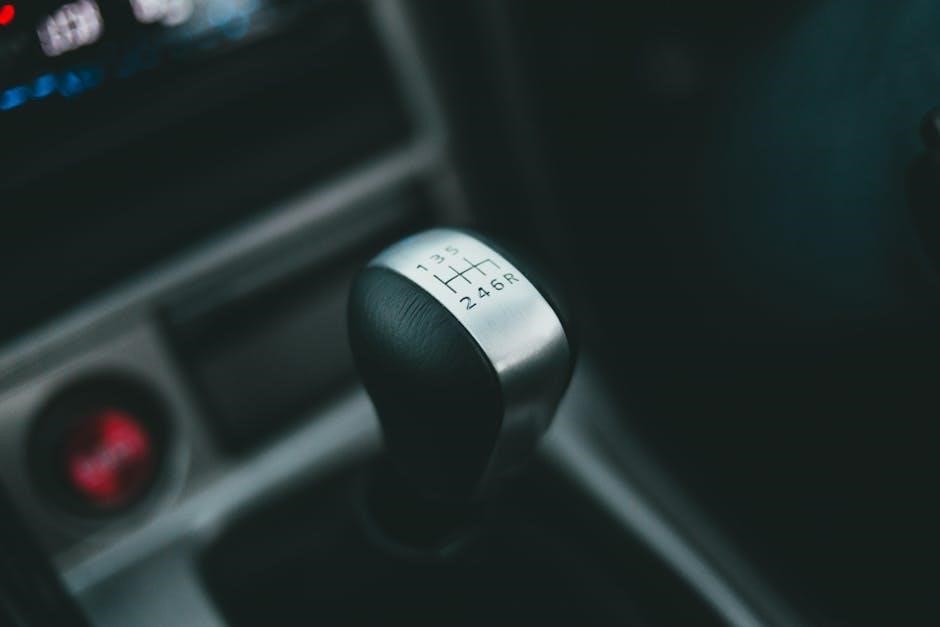
The E46 M3‚ a celebrated sports car‚ offered transmission choices impacting driving experience. While the SMG garnered attention‚ the 6-speed manual remains highly sought after.
Owners frequently discuss clunky shifts and hesitation in the SMG‚ alongside gate finding issues with the actuator‚ highlighting the manual’s appeal for direct control.
Overview of the E46 M3 and its Transmission Options
The BMW E46 M3‚ produced from 2000 to 2006‚ quickly became a benchmark for performance and driver engagement. BMW offered two primary transmission choices: the Sequential M gearbox (SMG) and a traditional 6-speed manual. The SMG‚ a single-clutch automated manual‚ aimed to provide faster shifts but proved controversial.
Early adopters were drawn to its novelty‚ however‚ reports of hesitation‚ stuttering during gear changes‚ and even instances of selecting incorrect gears surfaced frequently in online forums like M3 Forums and E46 Fanatics. These issues often stemmed from adaptation problems or failures within the tail shifter actuator‚ responsible for precise gate selection.
Conversely‚ the 6-speed manual offered a more direct and predictable driving experience. While lacking the SMG’s automated speed‚ it provided greater driver control and‚ crucially‚ a reputation for superior reliability. This has led to a significant premium for manual E46 M3s in the used car market‚ as enthusiasts prioritize a robust and engaging transmission.
Focus on the 6-Speed Manual Transmission
The E46 M3’s 6-speed manual gearbox is celebrated for its precise shifts and robust construction‚ offering a distinctly driver-focused experience. Unlike the SMG‚ it avoids electronic complexities‚ minimizing potential failure points and adaptation issues. Reddit discussions consistently highlight the manual’s superior feel and reliability compared to its automated counterpart.
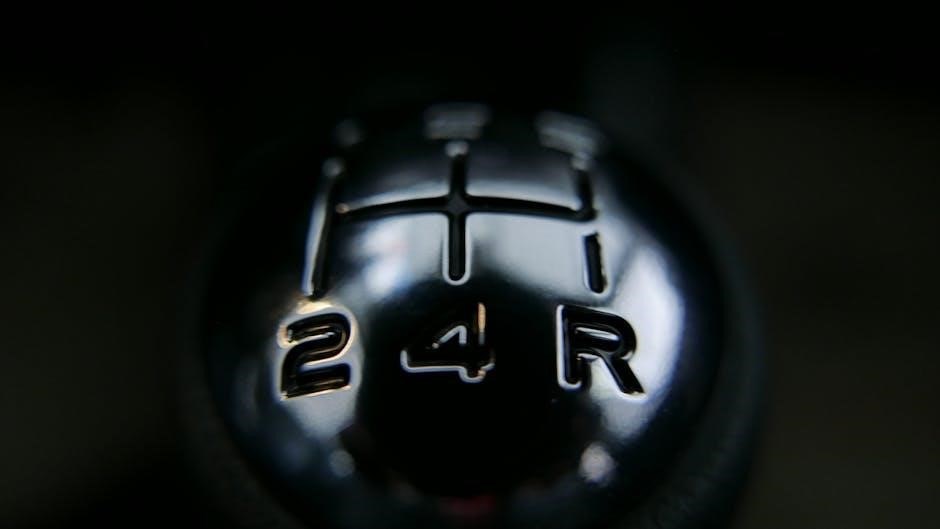
While some describe the SMG as clunky and prone to awkward gear changes‚ the manual provides a satisfying mechanical connection. It allows for complete control over gear selection‚ crucial for spirited driving and track use. The absence of hydraulic actuators eliminates concerns about gate finding problems‚ a common complaint with the SMG system.
This simplicity translates to lower long-term ownership costs‚ as repairs are generally less expensive and easier to perform. The manual’s enduring popularity reflects a preference for a traditional‚ reliable‚ and engaging driving experience‚ solidifying its status as the preferred choice for many E46 M3 enthusiasts.
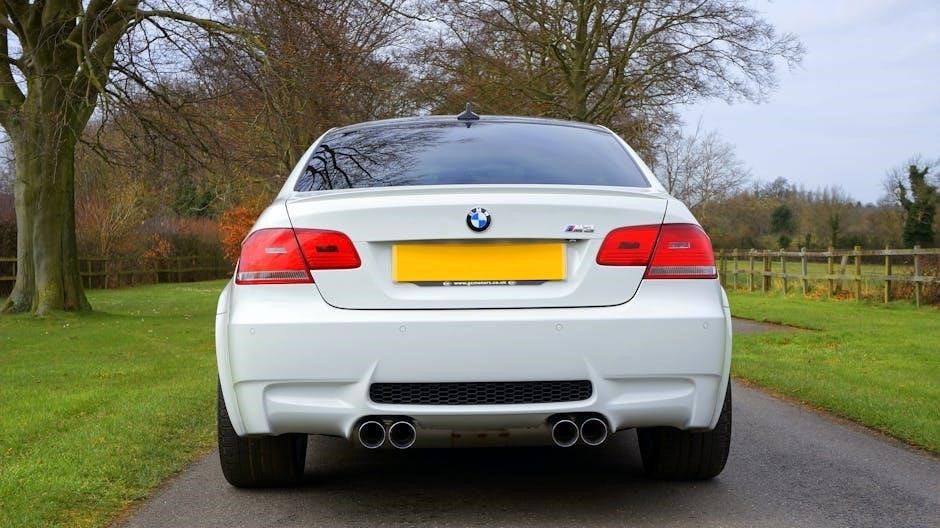
Technical Specifications of the E46 M3 Manual Gearbox
The E46 M3 manual features robust internal components and precise gear ratios‚ designed for high performance; It’s a mechanically sophisticated system built for durability.
Gear Ratios and Final Drive Options
The E46 M3 manual gearbox utilizes carefully selected gear ratios to maximize performance and driver engagement. First gear is typically geared for strong acceleration‚ while higher gears are optimized for efficient cruising. Specific ratios vary slightly depending on the model year and production date.
Beyond the gearbox itself‚ the final drive ratio significantly impacts the car’s overall feel. Common final drive options include 3.15:1‚ 3.38:1‚ and 3.62:1. A shorter final drive (like 3.62:1) provides quicker acceleration but reduces top speed and fuel economy. Conversely‚ a taller final drive (3.15:1) offers better highway cruising and fuel efficiency at the expense of initial acceleration.
Owners often modify the final drive to tailor the car’s performance characteristics to their specific needs and driving style. Choosing the right final drive is crucial for optimizing the E46 M3’s potential on both the street and the track.
Components of the Manual Gearbox: A Detailed Look
The E46 M3’s 6-speed manual gearbox is a robust unit‚ built to handle the S54 engine’s power. Key components include the input shaft‚ main shaft‚ countershaft‚ and various gear sets providing the six forward ratios and reverse. High-quality steel alloys are used throughout for durability.
Synchromesh units are critical for smooth gear changes‚ utilizing friction to match the speeds of the gears before engagement. The shift linkage connects the gear lever to the selector forks within the gearbox‚ enabling precise gear selection. A robust housing encases these components‚ providing structural integrity and oil containment.
The flywheel and clutch assembly transmit power from the engine to the gearbox. A properly functioning clutch is essential for smooth launches and gear changes. Bearings support the rotating shafts‚ minimizing friction and ensuring efficient operation. Regular inspection of these components is vital for maintaining gearbox health.
Synchromesh Technology and its Importance
Synchromesh is a vital technology within the E46 M3’s manual gearbox‚ directly impacting shift quality. It employs conical friction elements to equalize the speeds of the gear being selected and the main shaft before full engagement. This prevents grinding and allows for smoother‚ faster gear changes‚ crucial for performance driving.
Without effective synchromesh‚ shifting would be difficult and damaging to the gears. Worn or faulty synchromesh rings result in the clunkiness and hesitation frequently reported by owners experiencing gearbox issues. Proper lubrication is paramount for synchromesh function‚ as it reduces friction and wear.
The E46 M3’s gearbox utilizes synchromesh on all forward gears and reverse. Maintaining its integrity through fluid changes and careful driving habits is essential for preserving the gearbox’s longevity and enjoyable driving experience. Ignoring synchromesh issues can lead to more significant and costly repairs.
Common Issues and Problems with the E46 M3 Manual Gearbox
The E46 M3 manual gearbox can exhibit shifting problems like clunkiness‚ alongside gear selection issues‚ and occasionally‚ actuator problems affecting gate finding.
Shifting Problems: Clunkiness and Hesitation
Many E46 M3 owners report experiencing clunkiness during gear changes‚ particularly when shifting quickly or at higher RPMs. This isn’t necessarily indicative of a major mechanical failure‚ but can be a noticeable detraction from the driving experience. The sensation often stems from worn or loose components within the transmission or drivetrain.
Hesitation during shifts is another common complaint. This manifests as a slight delay or resistance when attempting to engage a gear‚ sometimes accompanied by a grinding noise. Contributing factors can include low transmission fluid‚ worn synchros‚ or issues with the clutch hydraulics. Addressing these issues promptly is crucial to prevent further damage.
Online forums consistently highlight these issues‚ with owners describing awkward gear changes and a less-than-smooth shifting feel. While some level of mechanical noise is expected in a performance vehicle‚ excessive clunkiness or hesitation warrants investigation and potential repair.
Gear Selection Issues: Difficulty Finding Gears
A frustrating issue reported by some E46 M3 manual transmission owners is difficulty finding the desired gear. This often presents as a vague or notchy shift feel‚ requiring excessive force or multiple attempts to engage the correct gear. It’s distinct from simple clunkiness‚ focusing on the precision of gear engagement.
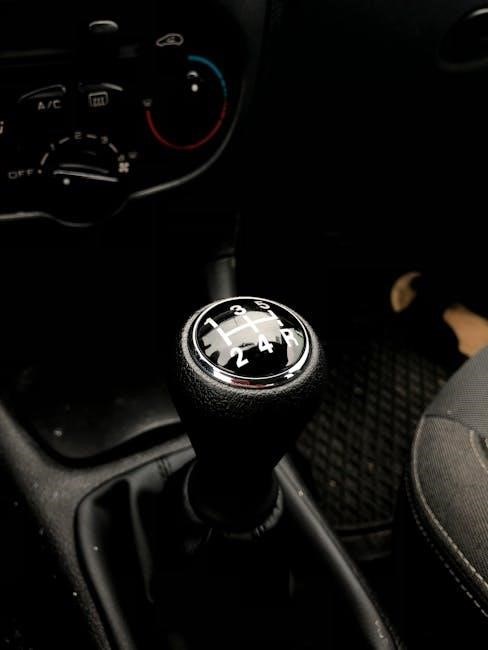
Worn shift linkage components are a primary suspect in these cases. Bushings and joints within the linkage can degrade over time‚ introducing play and imprecision. This looseness translates into difficulty accurately selecting gears. Internal transmission wear‚ specifically within the shift forks‚ can also contribute.
Online discussions frequently mention a feeling of “missing” gears‚ or accidentally selecting the wrong one. This can be particularly problematic during spirited driving‚ disrupting the driving flow. Addressing this issue often involves inspecting and replacing worn shift linkage components‚ restoring precise gear selection.
Actuator Problems and Gate Finding Issues
While primarily associated with the SMG transmission‚ the E46 M3’s manual gearbox can experience issues related to the tail shifter actuator and accurately “finding the gates.” This isn’t an actuator in the same electronic sense as the SMG‚ but refers to the mechanical linkage and its ability to precisely position the gear selector;

Reports indicate difficulty locating specific gears‚ sometimes resulting in the transmission selecting an unintended gear – like jumping straight to 6th when aiming for 3rd. This suggests a misalignment or excessive play within the shift linkage. The actuator‚ connecting the shift lever to the transmission‚ plays a crucial role.
Troubleshooting involves inspecting the actuator’s mounting points‚ bushings‚ and connections for wear or damage. A worn or loose actuator can prevent precise gate selection‚ leading to frustrating and potentially dangerous shifting errors. Proper adjustment and replacement of worn components are key to resolving these issues.
Maintenance and Repair of the E46 M3 Manual Gearbox
Consistent fluid checks and timely changes are vital. Addressing shifting issues promptly—clunkiness or difficulty selecting gears—can prevent costly repairs down the line.
Regular Maintenance Schedule
Maintaining the E46 M3’s manual gearbox requires a proactive approach to ensure longevity and optimal performance. A crucial element is adhering to a consistent maintenance schedule. Every 30‚000 miles‚ or approximately every two years (whichever comes first)‚ a thorough inspection of the gearbox mounts should be performed‚ checking for wear or damage.
More importantly‚ the gearbox fluid should be replaced. Using the correct BMW-specified fluid is paramount; deviations can lead to shifting problems. Alongside fluid changes‚ inspect the shift linkage for any looseness or play‚ as this contributes to imprecise gear selection.
Additionally‚ periodically check the clutch hydraulic system for leaks and proper operation. A failing clutch master or slave cylinder can manifest as difficulty engaging gears. Finally‚ listen for any unusual noises emanating from the gearbox during operation – any new sounds warrant immediate investigation by a qualified mechanic.
Fluid Changes: Type and Frequency
Proper fluid maintenance is critical for the E46 M3’s manual gearbox. BMW specifies a 75W-90 GL-5 gear oil‚ but many owners advocate for specific brands known for their superior protection and compatibility with the gearbox’s synchromesh components. Avoid universal GL-5 fluids‚ as they can sometimes cause issues.
The recommended fluid change interval is generally every 30‚000 miles‚ or approximately every two years‚ depending on driving conditions. Track use or aggressive driving necessitates more frequent changes – potentially every 15‚000-20‚000 miles.
During a fluid change‚ inspect the drain plug for metal shavings‚ which indicate internal wear. Replacing the drain and fill plugs with fresh crush washers is essential to prevent leaks. Ensure the gearbox is at the correct operating temperature when filling to achieve the proper fluid level. Using the incorrect fluid or neglecting changes can lead to shifting difficulties and premature wear.
Common Repair Procedures and Costs
Several repairs are frequently needed on the E46 M3 manual gearbox. Synchro replacements‚ particularly for 3rd and 4th gear‚ are common‚ costing between $800-$1500 depending on labor rates. Guide tube wear‚ leading to imprecise shifting‚ requires replacement – around $300-$600.
Actuator sleeve replacement‚ addressing gate finding issues‚ typically falls in the $400-$800 range. A full gearbox rebuild‚ addressing multiple worn components‚ can easily exceed $2500-$4000‚ including parts and labor. Clutch replacement‚ while not strictly a gearbox repair‚ is often done concurrently‚ adding $600-$1200 to the total cost.
Diagnosis is crucial; a skilled mechanic can pinpoint the issue‚ preventing unnecessary expenses. Labor costs vary significantly‚ so obtaining multiple quotes is advisable. Using OEM or high-quality aftermarket parts is recommended for longevity and reliability.

Reliability and Longevity of the E46 M3 Manual Gearbox
Generally‚ the manual gearbox proves more reliable than the SMG‚ avoiding complex hydraulic issues. Proper maintenance significantly extends its lifespan‚ offering lasting performance.
Overall Reliability Compared to SMG
When evaluating the E46 M3’s transmission options‚ the 6-speed manual consistently demonstrates superior reliability when contrasted with the Sequential M Gearbox (SMG). Online forums‚ such as M3 Forums and E46 Fanatics‚ are replete with discussions detailing the SMG’s propensity for issues. These commonly include hesitation during gear changes‚ instances of missing gears altogether‚ and frustrating adaptation problems.
The SMG’s complexity‚ relying on hydraulic systems and electronic control‚ inherently introduces more potential failure points. Conversely‚ the manual gearbox‚ being a more mechanically straightforward design‚ proves remarkably robust. While not entirely immune to wear and tear‚ the manual avoids the costly and often recurring repairs associated with the SMG. Reddit discussions further corroborate this‚ with owners citing the SMG as “clunky” and expensive to maintain.
Therefore‚ for long-term ownership and peace of mind‚ the manual transmission is widely considered the more dependable choice within the E46 M3 community.
Factors Affecting Gearbox Lifespan
Several key factors influence the longevity of the E46 M3’s 6-speed manual gearbox. Aggressive driving habits‚ particularly frequent hard shifts and clutch abuse‚ significantly accelerate wear on synchronizers and gears. Consistent track use‚ without adequate cooling measures‚ can also contribute to premature failure.
Regular and proper maintenance is paramount. Neglecting fluid changes allows abrasive particles to build up‚ damaging internal components. The quality of the fluid used also matters; specifying the correct BMW-approved gear oil is crucial. Furthermore‚ a worn clutch‚ if not addressed promptly‚ places undue stress on the gearbox.
Environmental conditions play a role‚ with extreme temperatures potentially affecting fluid viscosity. Finally‚ the overall condition of the vehicle – specifically the engine’s power output – impacts the loads experienced by the transmission. Addressing any engine modifications responsibly is vital for gearbox health.
Potential Long-Term Issues
Over time‚ the E46 M3 manual gearbox can develop several long-term issues. Worn synchronizers‚ particularly on 2nd and 3rd gear‚ are common‚ manifesting as grinding during shifts. This is often exacerbated by aggressive driving. Internal wear on the gears themselves can lead to increased noise and reduced efficiency.
The shift linkage can become sloppy with age‚ resulting in imprecise gear selection. The tail shifter actuator‚ responsible for smooth engagement‚ may experience problems finding the gates‚ a concern noted by owners. Oil leaks from seals are also typical as the gearbox ages‚ potentially leading to low fluid levels and increased wear.
Although robust‚ the gearbox housing can develop cracks under extreme stress. Finally‚ bearing failure‚ while less frequent‚ can cause significant noise and vibration. Proactive maintenance and addressing minor issues early can mitigate these potential long-term problems.