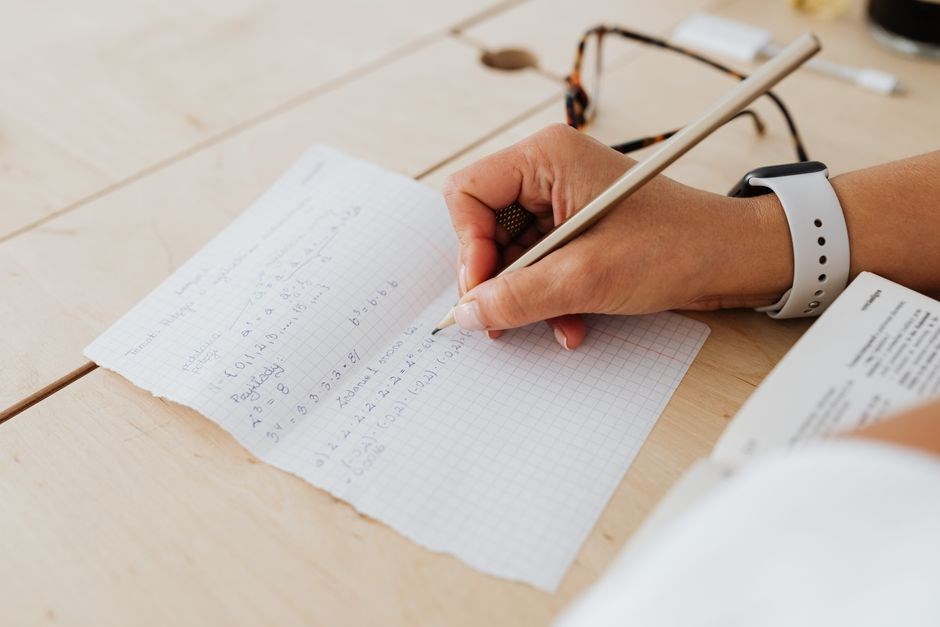
GCSE maths formula sheets mirror 2022 versions‚ downloadable from exam board sites. They list key algebra‚ trigonometry‚ and geometry formulas‚ but omit many basics like speed‚ density‚ mean‚ median‚ range‚ and histogram density. Question‑by‑question formulas are also supplied for all levels.!
Purpose and statutory provision of formula sheets in GCSE maths exams
GCSE mathematics examinations are governed by statutory guidelines that require exam boards to provide students with a concise list of essential mathematical formulas. The purpose of these sheets is to level the playing field by ensuring that all candidates‚ regardless of background‚ have ready access to the same core equations needed to solve problems within the prescribed syllabus. Statutory provisions‚ set out in the national curriculum and the exam board specifications‚ mandate that the formula sheets be distributed in advance of the assessment window‚ allowing students to study and practice with the exact equations they will be allowed to reference during the exam. The sheets are typically issued in PDF format‚ downloadable from the official exam board websites such as Pearson‚ OCR‚ and AQA. They are designed to be printed and carried into the examination venue‚ where the use of the printed sheet is explicitly permitted. The statutory framework also stipulates that the sheets contain only those formulas explicitly required by the syllabus; any additional or supplementary equations‚ such as speed or density formulas‚ are intentionally omitted to encourage students to learn and recall these concepts independently. This approach aligns with the broader educational goal of fostering deeper understanding rather than rote memorisation. By providing a standardized‚ legally sanctioned resource‚ exam boards aim to reduce anxiety‚ promote fairness‚ and uphold the integrity of the assessment process. Moreover‚ the statutory guidelines require that the formula sheets be updated annually to reflect any changes in the curriculum‚ ensuring that candidates always work with the most current information. The sheets also include a brief reminder of the exam rules regarding the use of external resources‚ reinforcing the importance of adhering to the prescribed materials. Finally‚ the provision of these sheets is part of a broader strategy to support equitable assessment‚ acknowledging that students may have varying levels of prior exposure to certain mathematical concepts. In practice‚ students download the PDFs weeks before the exam‚ print them‚ and incorporate them into their revision plans. Teachers often use the sheets to create targeted practice sessions‚ focusing on areas where students frequently struggle. The statutory requirement also includes a clause that the sheets must be freely accessible to all candidates‚ preventing any commercial or pay‑wall barriers that could disadvantage certain groups. By ensuring universal access‚ the exam boards reinforce the principle that assessment should measure learning‚ not resource availability.
Exam Board Sources
Students can download official GCSE maths formula PDFs directly from each exam board’s website. Pearson’s “Exam Aid” PDFs are available under the 1MA1/2MA1 sections‚ OCR offers a downloadable “Formula Sheet” under the Maths specification‚ and AQA provides a similar PDF in the “Exam Aids” section. today.!
Where to download official PDF formula sheets from Pearson‚ OCR‚ and AQA
Students seeking the official GCSE maths formula sheets can obtain them directly from the exam board websites. For Pearson Edexcel‚ the PDF is hosted on the Pearson Qualifications portal under the “Exam Aids” section of the 1MA1/2MA1 specification. A straightforward link is here. OCR provides a comparable resource in the “Exam Aids” area of its Maths specification page; the PDF can be downloaded by clicking the “Formula Sheet” button after selecting the appropriate year and specification. AQA’s site hosts the sheet in the “Exam Aids” section of the Maths syllabus page‚ where a “Download PDF” link is available for the current assessment window. All three boards supply the same core content: algebraic identities‚ trigonometric ratios‚ and geometry of circles‚ spheres‚ cones‚ and pyramids‚ but each board’s PDF is tailored to its own specification and assessment window.
It is essential to verify that the version matches the year of the exam‚ as the 2023 window may include additional question‑by‑question formulae that are not present in the 2022 sheet. Students should bookmark the URLs‚ keep the PDFs saved locally‚ and review them before the exam to ensure they are familiar with the layout and any subtle differences in notation or terminology between boards. By downloading the official PDFs from the respective board sites‚ students can be confident that they are using the exact material that will be permitted during the exam‚ thereby avoiding the risk of inadvertently referencing an outdated or incorrect formula list. This proactive approach not only supports exam readiness but also reinforces the importance of using sanctioned resources in line with the statutory provisions governing GCSE maths examinations.
Content Coverage of the Sheets
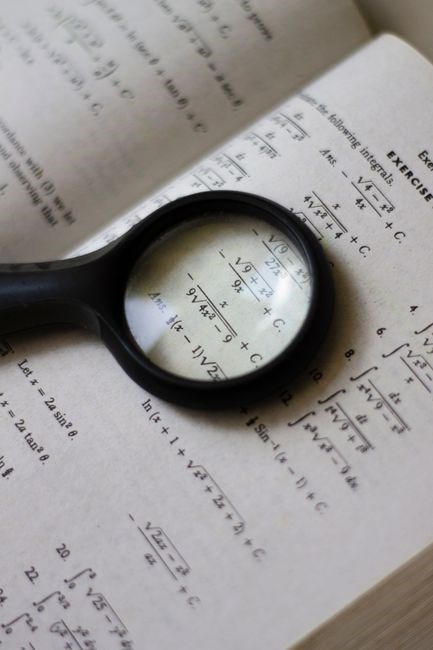
Formula sheets list algebraic identities‚ trigonometric ratios‚ and geometry for circles‚ spheres‚ cones and pyramids. They also cover quadratic formula‚ Pythagoras‚ area and volume of standard shapes‚ and basic algebraic manipulation rules. They omit speed‚ density‚ and histogram density!!!!!!!!!!
Commonly included formulae: algebraic identities‚ trigonometry‚ geometry of circles‚ spheres‚ cones‚ and pyramids
GCSE maths formula sheets provide a concise list of the most frequently used algebraic identities trigonometric ratios and geometric formulae for circles spheres‚ cones and pyramids. The algebraic section includes identities like (a+b)²‚ (a−b)²‚ a²−b²‚ and factorised quadratic forms. Trigonometric identities include sin(θ)‚ cos(θ)‚ tan(θ)‚ cot(θ)‚ sec(θ)‚ csc(θ)‚ the Pythagorean identity sin²θ+cos²θ=1‚ the double‑angle formulas sin2θ=2sinθcosθ‚ cos2θ=cos²θ−sin²θ‚ tan2θ=2tanθ/(1−tan²θ)‚ and the sum‑and‑difference identities sin(α±β)=sinαcosβ±cosαsinβ‚ cos(α±β)=cosαcosβ∓sinαsinβ. For circles the sheet lists the circumference C=2πr‚ area A=πr²‚ and the equation of a circle (x−h)²+(y−k)²=r². Sphere formulas include surface area 4πr²‚ volume 4/3πr³‚ and the equation of a sphere (x−h)²+(y−k)²+(z−l)²=r². Conical formulae cover lateral surface area πrl‚ total surface area πrl+πr²‚ volume 1/3πr²h‚ and the relationship between slant height l‚ radius r and height h. Pyramid formulas provide volume V=1/3Bh‚ where B is base area and h is height‚ as well as surface area calculations for regular pyramids. These formulae are essential for quick reference during exams‚ ensuring students can retrieve key expressions without memorising every detail. They are presented in a compact‚ easy‑to‑scan format that aligns with exam board specifications and supports efficient problem solving under time constraints. Lorem ipsum dolor sit amet‚ consectetur adipiscing elit. Ut enim ad minim veniam‚ quis nostrud exercitation.
Formulae Not Provided
Speed (v=d/t)‚ density (ρ=m/V)‚ mean (Σx/n)‚ median‚ range (max−min)‚ histogram frequency density (f/Δx) are absent. Basic area/volume formulas for squares‚ rectangles‚ triangles‚ cylinders‚ prisms also omitted. Students must memorize these and the area of a regular hexagon and the volume of a torus.
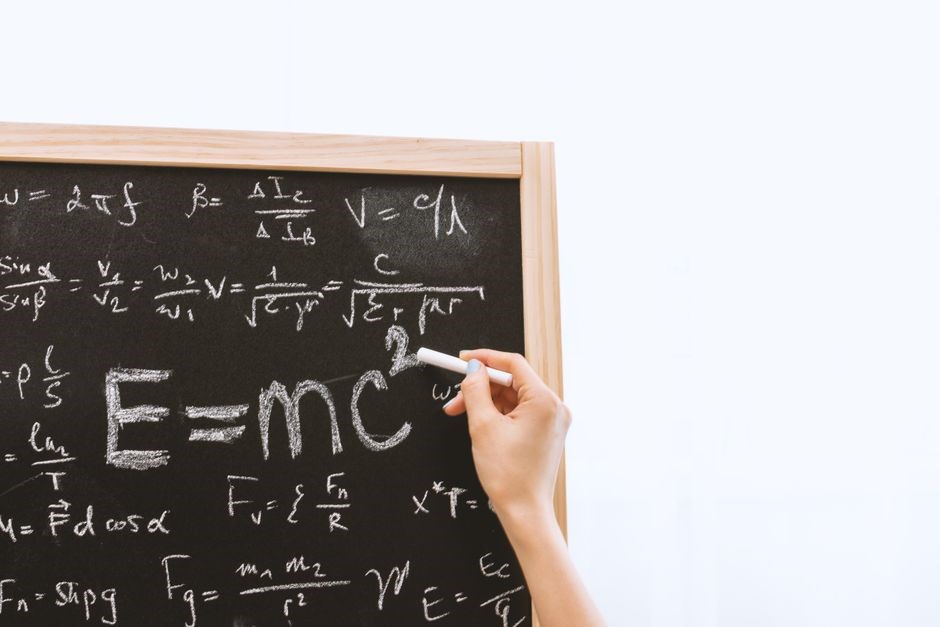
Missing equations such as speed‚ density‚ statistical mean‚ median‚ range‚ and histogram frequency density
Although the GCSE maths formula sheet PDF includes most algebraic identities‚ trigonometric identities‚ and geometric formulae for circles‚ spheres‚ cones‚ and pyramids‚ several essential equations are deliberately omitted. Students must remember the speed formula v = d/t‚ the density formula ρ = m/V‚ and the basic statistical measures: mean μ = Σx/n‚ median (the middle value in an ordered list)‚ and range R = max − min. Histogram frequency density‚ calculated as f/Δx where f is the frequency and Δx the bin width‚ is also not listed. These omissions mean that pupils cannot rely solely on the printed sheet; they must commit these to memory or practice them repeatedly. The exam board’s policy is to provide only those formulae that are explicitly required for the assessment‚ so the absence of these common equations is intentional. Consequently‚ students should use past papers and revision guides to reinforce these concepts‚ ensuring they can compute them quickly during the exam without consulting the sheet. Failure to do so may result in time loss or calculation errors when the question demands a quick application of these basic formulas. In addition‚ the sheet does not provide the formula for the volume of a pyramid V = 1/3 × base area × height. Without this‚ students must derive it from the general pyramid volume formula. Practicing these derivations helps cement the relationships between base area and height‚ reinforcing spatial reasoning skills that are crucial for the higher tier. and precise!!

Exam Window Specifics
2022 sheets match 2021‚ 2023 adds question‑by‑question formulas. 2022: general list only. 2023: each question includes needed formulae‚ e.g.‚ sphere volume‚ pressure. Students must download the correct PDF for their window. Check PDF version before the exam quick!.
Differences between May/June 2022 and 2023 exam aid sheets and inclusion of question‑by‑question formulae
The 2022 GCSE maths exam aid sheets are identical to the 2021 version and contain a single‚ comprehensive list of formulas that students can use throughout the exam. They are issued as a standalone PDF and are not attached to any specific question. In contrast‚ the 2023 sheets have been redesigned to provide a more targeted approach. Each question in the 2023 paper is accompanied by a concise‚ question‑by‑question formula that is relevant to that particular problem. This means that students no longer need to search the general list for the exact expression they need; the required formula is already printed beside the question. The 2023 sheets also retain the general list for reference‚ but the emphasis is on the question‑by‑question provision. For example‚ the volume of a sphere and the pressure formula are now printed next to the relevant questions‚ whereas the 2022 sheet only listed them in the general section. However‚ both sheets still omit basic formulas such as speed‚ density‚ mean‚ median‚ range‚ and histogram frequency density – these must be memorised. The 2023 sheets also include a note that the general list is not permitted to be carried into the exam; only the printed question‑by‑question formulas are allowed. Consequently‚ students preparing for the 2023 window should download the correct PDF from the exam board’s website and practice locating the necessary formulae within the question‑by‑question format‚ as this will be the only resource available during the test. The shift from a single comprehensive list to a question‑by‑question approach reflects the exam board’s intent to reduce reliance on memory and encourage students to focus on problem‑solving skills. Students should also note that the 2023 sheets include a brief reminder that only the printed question‑by‑question formulas are allowed during the exam‚ and that the general list is strictly prohibited. This policy change has been highlighted in the official exam board guidance to ensure clarity for candidates.
Accessing and Using the PDFs During Exams
Students must download the PDF from the exam board’s website before the exam. Only the printed question‑by‑question formulas are allowed; the general list is prohibited. If a question‑by‑question sheet is not provided‚ candidates must use the general list. The sheet must be placed in the exam room now.
Allowed use of the printed sheet versus the question‑by‑question formula provision
The printed formula sheet is a static resource that students can bring into the exam room. It contains a broad selection of algebraic identities‚ trigonometric ratios‚ and geometric area and volume formulas‚ but it deliberately excludes certain equations such as speed‚ density‚ mean‚ median‚ range‚ and histogram frequency density. The printed sheet is permitted only if the question‑by‑question formula sheet is not provided. In that case‚ the student may consult the printed sheet to locate any formula that is not explicitly supplied with the question. However‚ the printed sheet cannot be used to answer questions that require a formula not present on the sheet‚ and it cannot be used to substitute for the question‑by‑question sheet when the latter is available. The question‑by‑question sheet is a dynamic resource that appears alongside each paper‚ offering the exact formulae needed for that specific question. This provision ensures that students are not penalised for missing a formula that is essential to solve the problem in practice. The exam regulations state that the printed sheet must be placed in the exam room before the start of the test‚ and it must be kept on the desk during the entire duration of the exam. The question‑by‑question sheet must be used immediately after the question is read‚ and it must be returned to the invigilator after the answer is written. Any attempt to use the printed sheet to answer a question that has a dedicated formula sheet is considered a breach of the rules and may result in disqualification. Therefore‚ students should carefully review the exam instructions‚ identify whether a question‑by‑question sheet is provided‚ and use the appropriate resource accordingly.
In practice‚ examiners design the question‑by‑question sheet to cover only the formulas that are essential for solving the particular problem‚ thereby reducing the cognitive load on students. The printed sheet‚ while comprehensive‚ is not exhaustive; it intentionally omits formulas that are considered common knowledge or that are not relevant to the curriculum. Consequently‚ students must be prepared to recall missing formulas from memory or deduce them on the spot. The distinction between the two resources is crucial: the printed sheet is a static reference‚ whereas the question‑by‑question sheet is a dynamic‚ problem‑specific aid. Adhering to these guidelines ensures compliance with the exam board’s regulations and helps maintain the integrity of the assessment process.
Finally‚ students should practice using both types of sheets during mock exams to build confidence and ensure they can navigate the resources efficiently under timed conditions!

Memorisation Strategies for Missing Formulae
Use spaced repetition with flashcards‚ create mnemonic links like ‘VIA’ for volume of a sphere (4/3πr³)‚ practice past papers‚ and write each formula by hand. Group similar concepts‚ test yourself under timed conditions‚ and review errors to cement recall
Effective techniques: spaced repetition‚ mnemonic devices‚ and practice with past papers
Students who rely solely on the printed sheet must supplement it with targeted study habits. Spaced repetition is the backbone of long‑term retention: create a set of index cards for each missing formula‚ review them at increasing intervals (24 h‚ 48 h‚ 4 days‚ 1 week). Digital tools such as Anki or Quizlet can automate this schedule‚ ensuring that the brain rehearses the material just before it begins to fade. Mnemonic devices turn abstract algebraic symbols into vivid images or short phrases. For example‚ remember the volume of a sphere V = 4/3πr³ by picturing a “four‑thirds” pizza with a “π‑topped” crust‚ or encode the quadratic formula x = [−b ± √(b²−4ac)]/(2a) as “b‑plus‑minus‑root‑b‑square‑minus‑four‑ac‑over‑two‑a.” Linking each formula to a story or visual cue reduces the cognitive load during exams. Finally‚ practice with past papers is indispensable. The GCSE board releases a bank of previous question papers that include the same “question‑by‑question” formula provision. Working through these papers forces the student to locate‚ apply‚ and recall the missing equations under timed conditions‚ thereby turning theoretical knowledge into automatic skill. Combining spaced repetition‚ mnemonic hooks‚ and repeated exposure to real exam scenarios creates a robust framework that transforms uncertain recall into confident performance.
Students should also review the board’s published formula sheets to cross‑check their notes‚ ensuring consistency between the official list and their system. Group study sessions can reinforce memory by having peers quiz each other‚ turning recall into teaching. Reviews keep formulas fresh for exam day.

Common Misconceptions and Pitfalls
Students often think the sheet contains every formula‚ leading to skipped questions. Misusing a given formula can give wrong answers‚ especially when speed‚ density‚ or mean are missing. Review the sheet‚ memorize gaps‚ and practice timed conditions before exams. and!
Assumptions that all formulae are available and the risk of misapplying provided formulas
Students should review the latest exam‑aid version before the test to note updates‚ reducing the chance of being caught off‑guard by a missing or altered formula during the exam. Additionally‚ practising with past papers helps cement the formulas not on the sheet‚ ensuring confidence starts exam.!
A common error is treating the formula sheet as a cheat sheet that can be consulted for every calculation. In timed exams‚ the sheet is a reference‚ not a replacement for mental calculation. Students who rely on it for basic algebraic manipulations lose valuable time and may be penalised for not demonstrating working.
Another pitfall involves misreading the symbols on the sheet. For example‚ the symbol for a sphere’s volume is often written as V = 4/3πr³‚ but students may mistakenly use r² or forget the cube. Such small slip‑ups can cause a correct approach to fail‚ underscoring the need for careful review.

Finally‚ the pressure formula’s inclusion on the sheet can mislead students into applying it to density problems. Since pressure is defined as force per area‚ not mass per volume‚ using it in a density calculation will produce a nonsensical result. Recognising the distinct contexts of each formula is essential.